Water Filtration Service Areas in Dallas and Nearby Towns
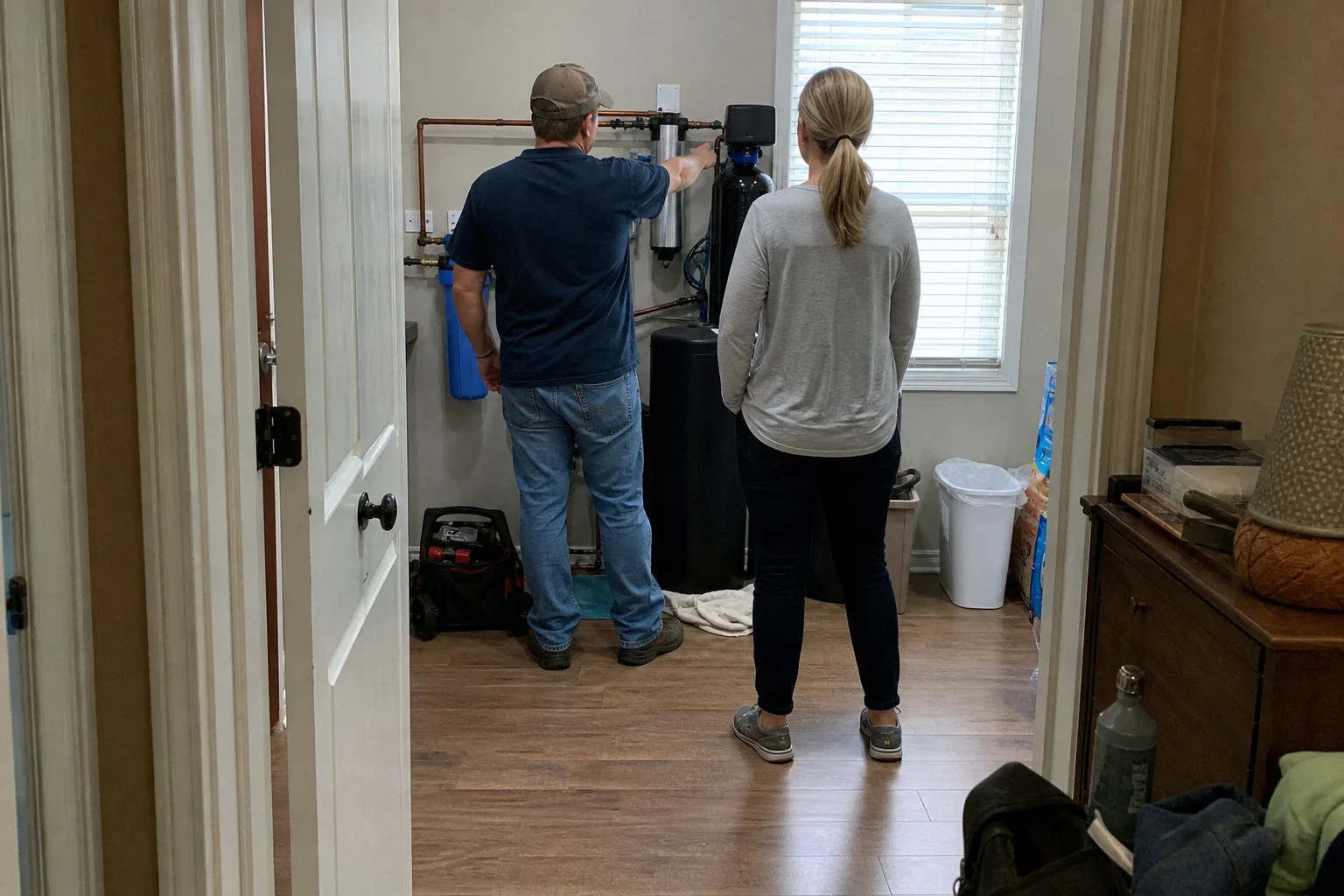
We put filters into homes all over Dallas and its neighboring towns. Each visit follows one routine. We test your water, check the pipes under your sink and at the main line, then talk through which filter materials fit your home. Nothing gets installed until you know why.

Dallas and the Towns Around It
Our work covers the City of Dallas and the towns tucked inside it or sitting right at its edge. That includes University Park, Highland Park and Cockrell Hill. To the west and northwest we go to Irving and Farmers Branch. North and east, we work in Richardson and Garland, and we drive out to Mesquite as well.
Down south, Lancaster and Duncanville are on our route. Homes a little past these towns may still be in reach. Tell us where you live when you call, and we will give you a plain answer on whether we can get there, both for the install and for the filter changes that come later.
Towns we cover from Dallas
- Dallas
- University Park
- Highland Park
- Cockrell Hill
- Irving
- Garland
- Mesquite
- Richardson
- Lancaster
- Duncanville
- Farmers Branch
Not on the list? Call (214) 225-7594 and ask.
What We See in Homes Across the Metro
- Treated city water and taste
- Most homes here get treated city water from lake and reservoir supplies. It is safe to drink, but the disinfectant the utility adds can leave a taste or smell some people do not like. Activated carbon handles plain chlorine well. Catalytic carbon is the better material when chloramine is in the water, since regular carbon removes it slowly. We test before we pick one.
- Older pipes and newer pipes
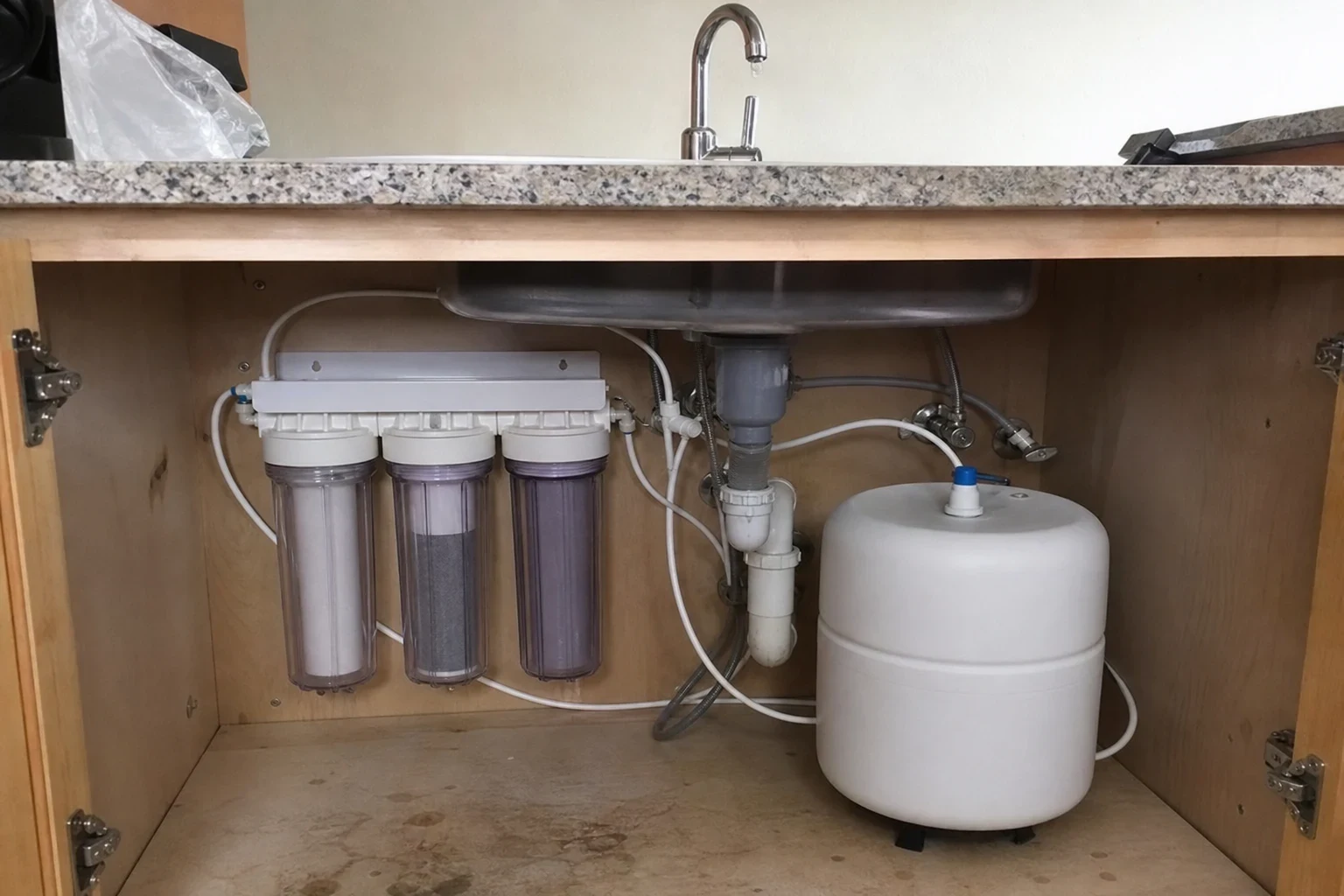
- Housing ages vary a lot across the area. Older homes may still have galvanized steel, or copper with old solder joints. Newer builds mostly run PEX. Old galvanized lines can shed rust and scale, and old solder can add lead at the tap. In those homes, under-sink reverse osmosis is the usual fix for drinking water, with a sediment prefilter to protect the membrane.
- Slab foundations and where the filter goes
- Most homes in the area sit on slabs, so the main line often comes up in the garage, a utility closet or outside by the foundation. That spot decides where a whole-house system can go and how much pipe work it takes. We look at it first and tell you what it means for your job.
- Heat and outdoor equipment
- Long, hot summers are hard on plastic filter housings and media tanks sitting in direct sun. When a system has to go outside, we find shade or add a cover. Hard freezes are rare but they happen, so exposed lines get insulation too.
- Permits and hardness
- Small under-sink systems usually need no permit. When a whole-house system or softener ties into the main line or adds a drain, some cities want a plumbing permit. We check the rules for your city before work starts. Hardness also varies, so we only suggest a softener after a hardness test shows you need one.
Begin by Testing Your Water
Let us know which town you are in and what bothers you about the water. We will book a test and go over the filter materials that suit your home.